Hiring an elderly care maid is about more than finding someone to help with household chores. You're entrusting the care of a loved one to another person, so choosing the right helper is one of the most important decisions you'll make.
At Beyond Maids, we encourage every employer to conduct a thoughtful interview before making a hiring decision. While experience is valuable, qualities such as patience, compassion, and willingness to learn are equally important.
Here are 15 essential questions to ask when interviewing a domestic helper for elderly care.
1. Have you cared for elderly persons before?
Start by understanding the helper's previous experience. Ask about:
- The age of the elderly person
- Their medical condition
- Daily responsibilities
- How long they worked with the family
Previous experience can provide useful insights, but don't overlook first-time helpers with a positive attitude and strong willingness to learn.
2. What were your daily responsibilities?
Understanding what the helper actually did is just as important as knowing they worked with an elderly person. Examples include:
- Preparing meals
- Assisting with bathing and dressing
- Housekeeping
- Accompanying medical appointments
- Providing companionship
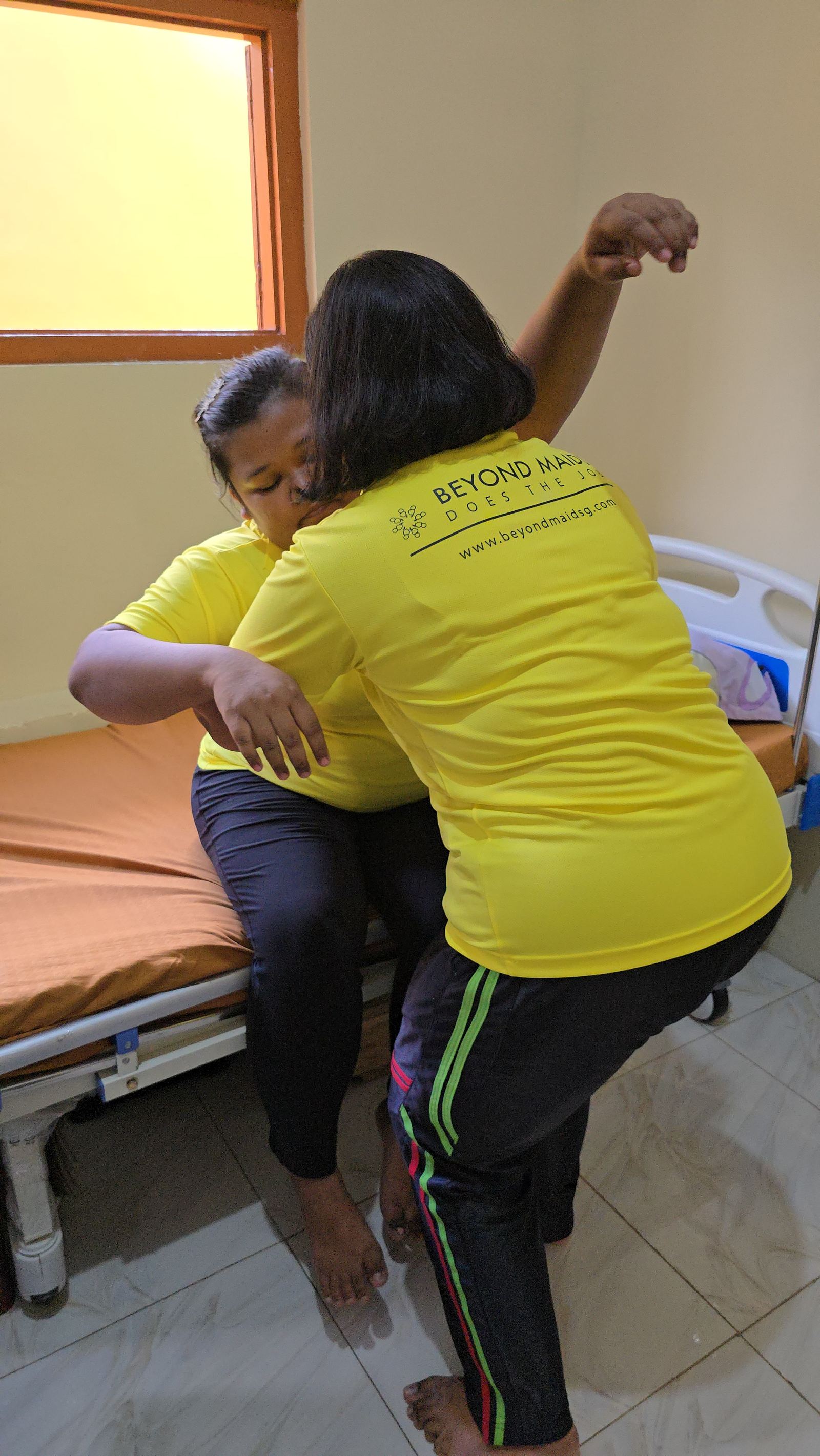
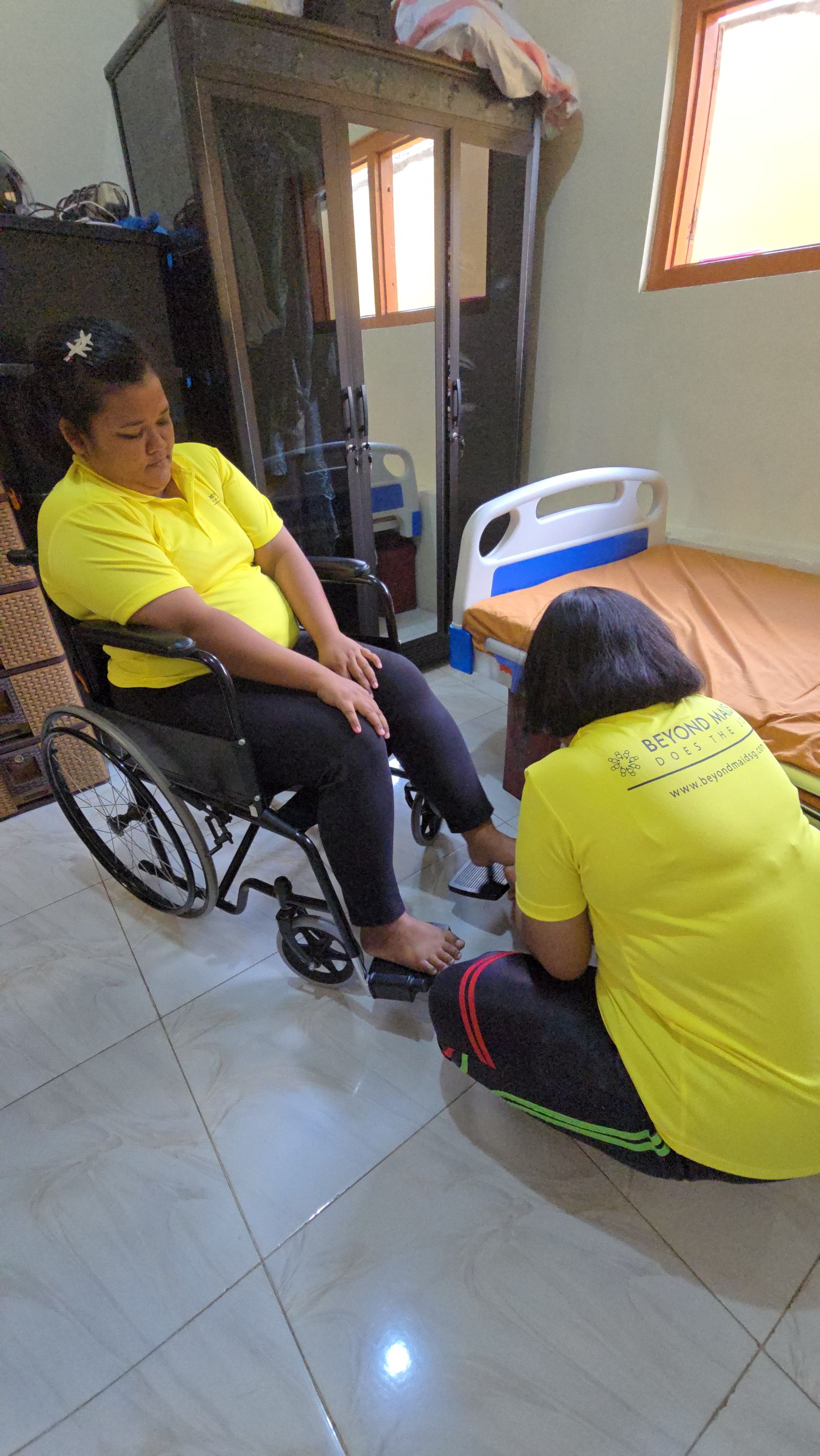
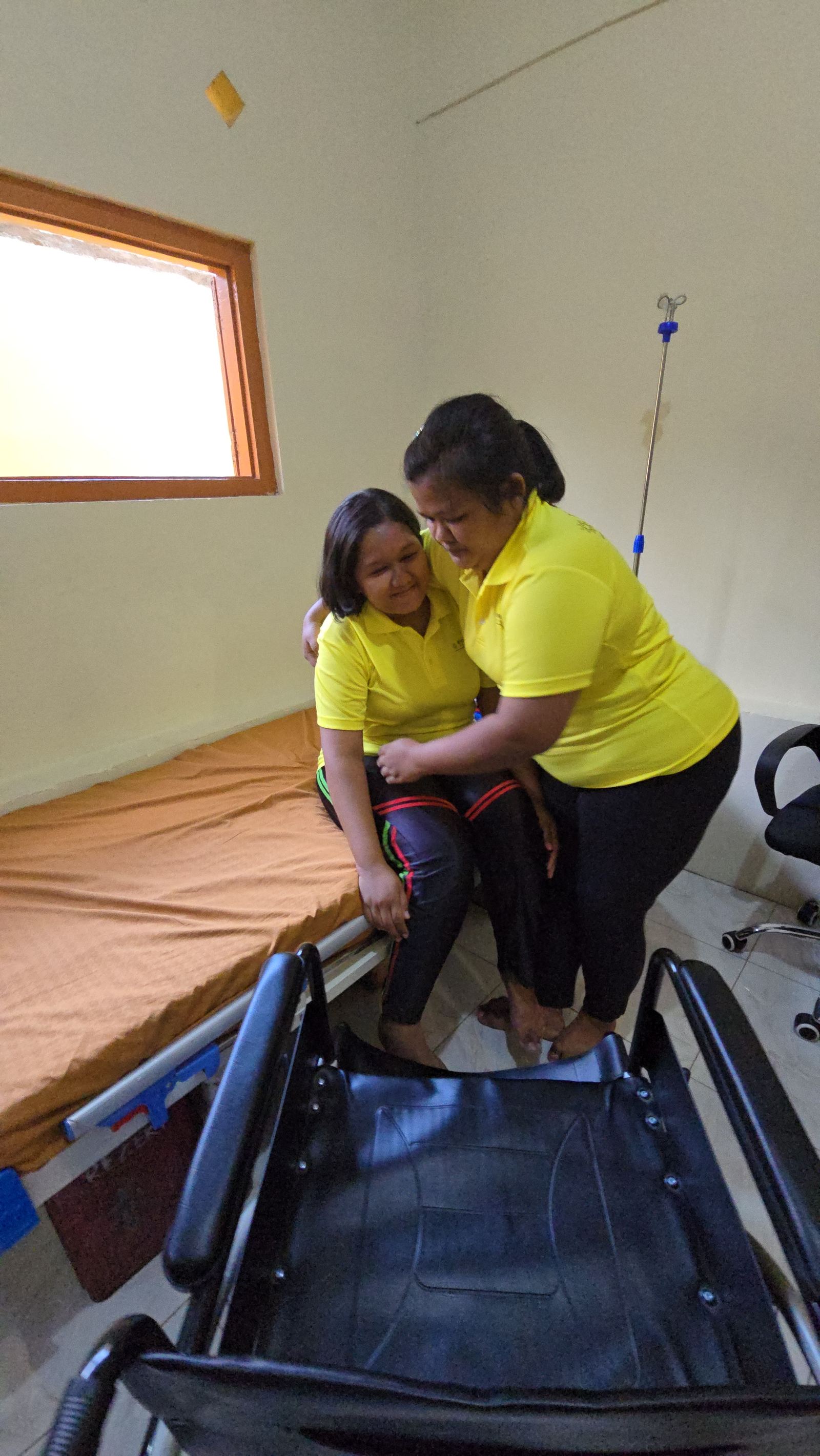
3. Are you comfortable assisting someone with limited mobility?
Some seniors may require assistance moving around the home, getting in and out of bed, or using mobility aids. Discuss your family's specific needs honestly to ensure the helper is comfortable with the responsibilities.
4. How would you respond if the elderly person became confused or upset?
This question helps you understand the helper's patience and problem-solving skills. Look for answers that demonstrate empathy, calmness, and a willingness to reassure rather than argue.
5. Can you prepare meals suitable for seniors?
Dietary requirements often change with age. Ask whether the helper has experience preparing:
- Soft diets
- Low-salt meals
- Diabetic-friendly meals
- Balanced home-cooked food
6. Are you comfortable accompanying medical appointments?
Some families appreciate a helper who can accompany elderly family members to clinics or hospitals while following the family's instructions.
7. How do you communicate with elderly persons?
Good communication builds trust. Look for helpers who understand the importance of speaking respectfully, listening patiently, and communicating clearly.
8. Are you willing to learn new care routines?
Every family has different expectations. A helper who is open to learning new routines and adapting to the household is often more successful than someone who relies only on previous experience.
9. How would you spend time with an elderly person during the day?
Companionship is an important part of elderly care. Positive activities may include:
- Having conversations
- Going for walks (where appropriate)
- Reading together
- Simple exercises approved by the family
- Playing games or listening to music
10. How do you handle stressful situations?
Caring for seniors can sometimes be emotionally demanding. Ask how the helper manages stressful situations and whether they seek guidance when they are unsure.
11. Are you comfortable following a daily care routine?
Many seniors benefit from consistent routines. Discuss schedules for:
- Meals
- Medication reminders
- Exercise
- Rest
- Medical appointments
12. Can you work together with family members?
The best caregiving arrangements involve teamwork. A helper should be willing to communicate openly with family members and follow agreed instructions.
13. Why do you enjoy caring for elderly persons?
This simple question often reveals a great deal about a helper's motivation and attitude. Look for genuine compassion and sincerity rather than rehearsed answers.
14. What would you do if you noticed changes in the elderly person's condition?
A responsible helper should understand the importance of informing family members promptly if they notice changes such as:
- Reduced appetite
- Increased confusion
- Falls
- Unusual behaviour
- Signs of illness
15. Do you have any questions for our family?
Interviews should be a two-way conversation. Helpers who ask thoughtful questions about the household, daily routine, and expectations often demonstrate a genuine interest in doing the job well.
Beyond experience: look for the right qualities
While experience is valuable, the best elderly care helpers often share these qualities:
- Patience
- Kindness
- Compassion
- Reliability
- Good communication skills
- Respect for seniors
- Willingness to learn
- Positive attitude
These personal qualities can make a meaningful difference in the daily lives of elderly family members. For a broader set of general interview questions beyond elderly care specifically, see our guide on interviewing a maid: essential questions to ask.
How Beyond Maids helps families find the right elderly care helper
At Beyond Maids, we believe successful placements begin with understanding your family's unique needs. Our consultants take the time to learn about:
- The elderly person's care requirements
- Household routines
- Language preferences
- Lifestyle expectations
- Previous caregiving experience
- Personality fit
Rather than simply recommending available helpers, we focus on finding a suitable match that gives families greater confidence and peace of mind.
Looking for an elderly care maid in Singapore?
Choosing the right helper can make a significant difference to your loved one's comfort, safety, and quality of life. We'll help you identify the qualities that matter most and recommend helpers who best match your family's needs.
Speak to a consultant